Overactive bladder (OAB), also called detrusor instability, is a condition where the bladder muscles contract involuntarily, causing a frequent and urgent need to urinate, potentially leading to incontinence.
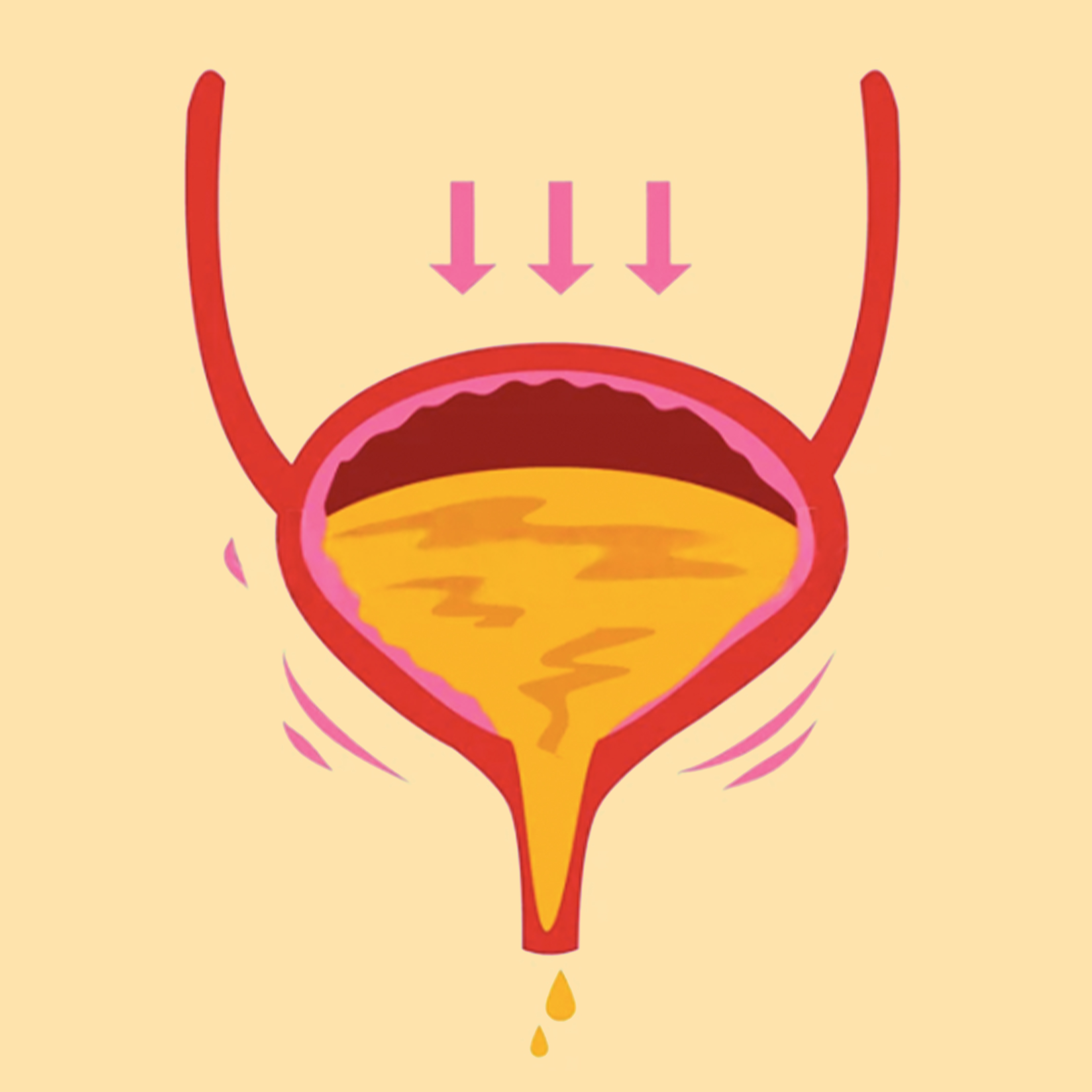
What is a Overactive Bladder ?
Definition: OAB is a syndrome characterized by urinary urgency (a sudden, strong urge to urinate), which may or may not be accompanied by urinary incontinence (leaking urine).
Symptoms:
Urinary Urgency: A sudden, strong, and difficult-to-suppress urge to urinate.
Urinary Frequency: Urinating more often than usual, usually eight or more times a day.
Nocturia: Waking up at night to urinate, two or more times.
Urgency Incontinence: Leaking urine before reaching the bathroom due to the sudden urge.
Causes:
While the exact cause isn't always clear, OAB can be related to:
Age: OAB is more common in older adults.
Dietary Factors: Excessive intake of caffeine, alcohol, or other bladder irritants can worsen symptoms.
Obesity: Being overweight can increase the risk of OAB.
Urinary Tract Infections (UTIs): UTIs can temporarily cause OAB-like symptoms.
Medical Conditions: Certain neurological conditions (like stroke, Parkinson's disease, multiple sclerosis, or spinal cord injury) can affect bladder control.
Certain medications.
Pelvic Floor Weakness: Weakened pelvic floor muscles can contribute to urinary incontinence.
Impact
Impact: OAB can significantly impact daily life, affecting sleep, social activities, and overall quality of life.
Diagnosis
Diagnosis: OAB is typically diagnosed based on symptoms, but further tests, like urodynamic studies, are used to confirm the diagnosis and rule out other conditions.
Treatment:
Lifestyle Changes: Modifying diet (reducing caffeine and alcohol), maintaining a healthy weight, and managing constipation.
Bladder Training: Learning to delay urination and increase the interval between urination episodes.
Biofeedback: therapy that helps individuals learn to control their pelvic floor muscles by providing real-time feedback on their muscle activity, which is displayed in video/audio.
Medications: Anticholinergics and beta-3 agonists can help relax the bladder muscles.
Injections: Botulinum toxin injections can be used to relax the bladder muscles.
PTNS: peripheral nerve stimulation to correct bladder overactivity.
Interstim/Sacral Nerve Stimulation: A device implanted in the lower back can send small electrical signals to the bladder, helping to reduce the urge to urinate.
Surgery: In rare cases, surgery may be an option to address anatomical issues or nerve problems that may be contributing to OAB.